



Seaside Talks

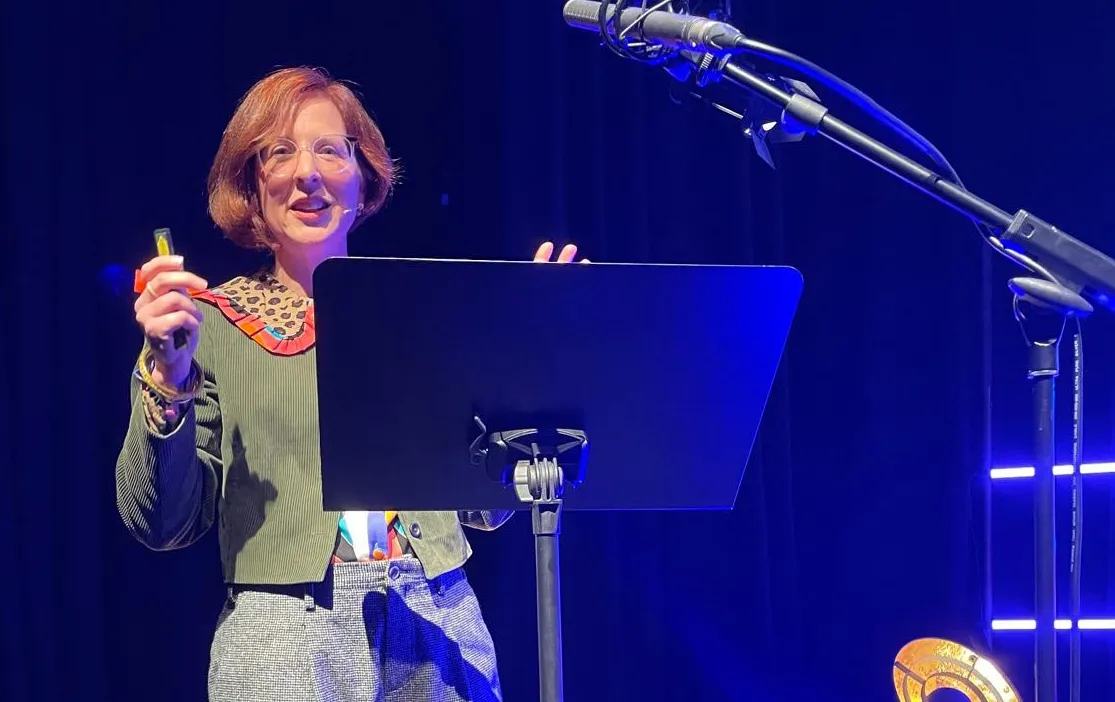
My phone is overheating with WhatsApps from Arts Club members raving about your talk! Your charming, relaxed style, your vast knowledge so lightly worn, and your sheer professionalism and enthusiasm were all superb.
Thank you for being such a brilliant part of this year’s Folkestone Book Festival. Your event was one of the most popular and entertaining of the whole programme, and I know everyone had such a great experience hearing about the history of Folkestone and seaside architecture in general.
The talk made me realise how many unlauded people there are in history who have done worthwhile things and how unsung women are in those histories.
Deckchairs, Piers and Souvenirs: The History of the British Seaside in 100 Objects
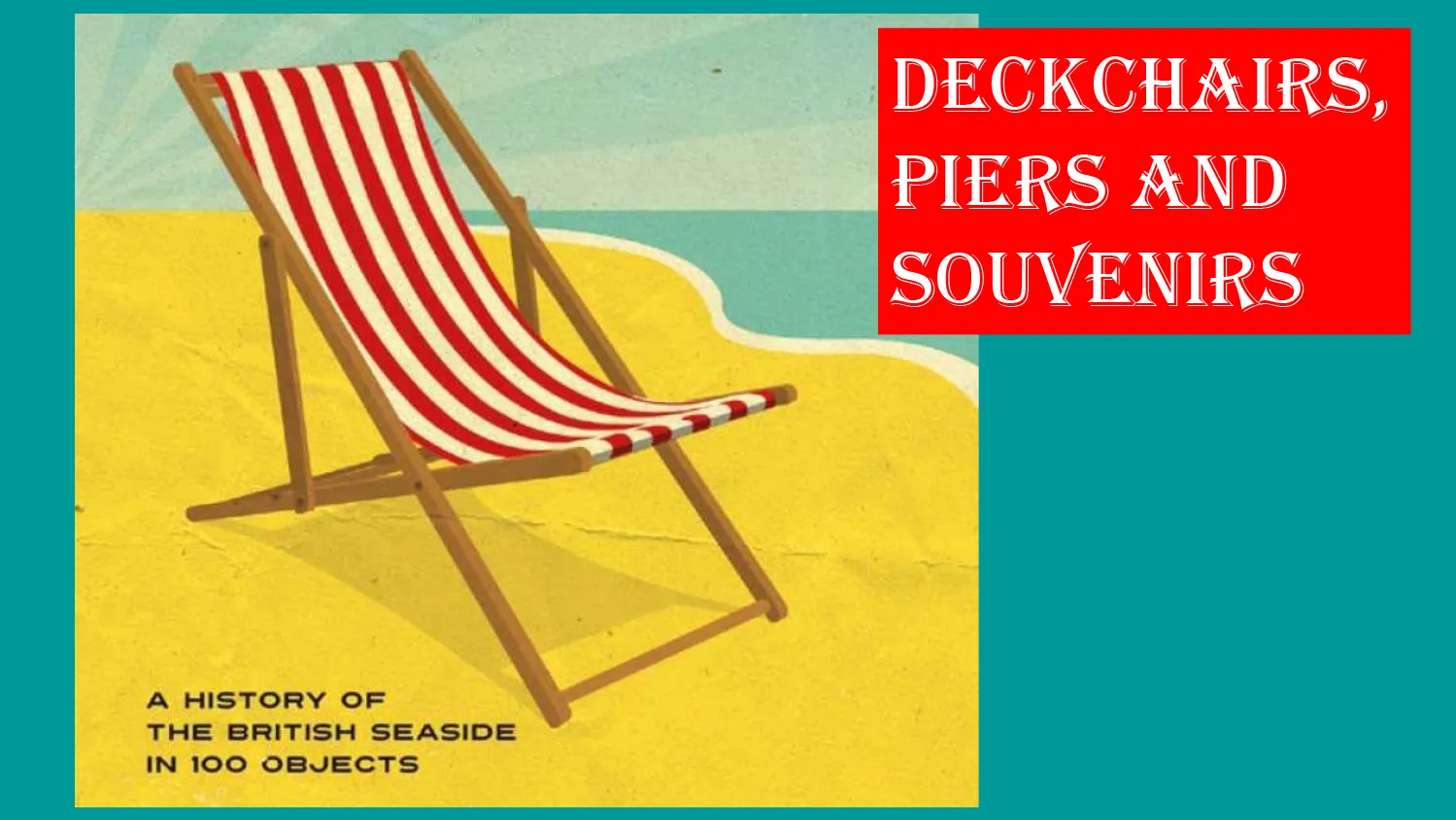
Sandcastles, donkeys, piers and sticks of rock. Beach huts, paddle steamers, promenade shelters and ice cream cones. Our modern seaside is the sum of its parts, and all those parts have their history. Based on Kathryn’s book Seaside 100, this talk explores the best-loved features of our favourite holiday destinations, each object and building adding its own layer to the 300-year story of our shared seaside heritage. It’s a tale of local distinctiveness that Kathryn tailors to each place where she speaks.
Sheds on the Seashore: Three Centuries of Beach Huts
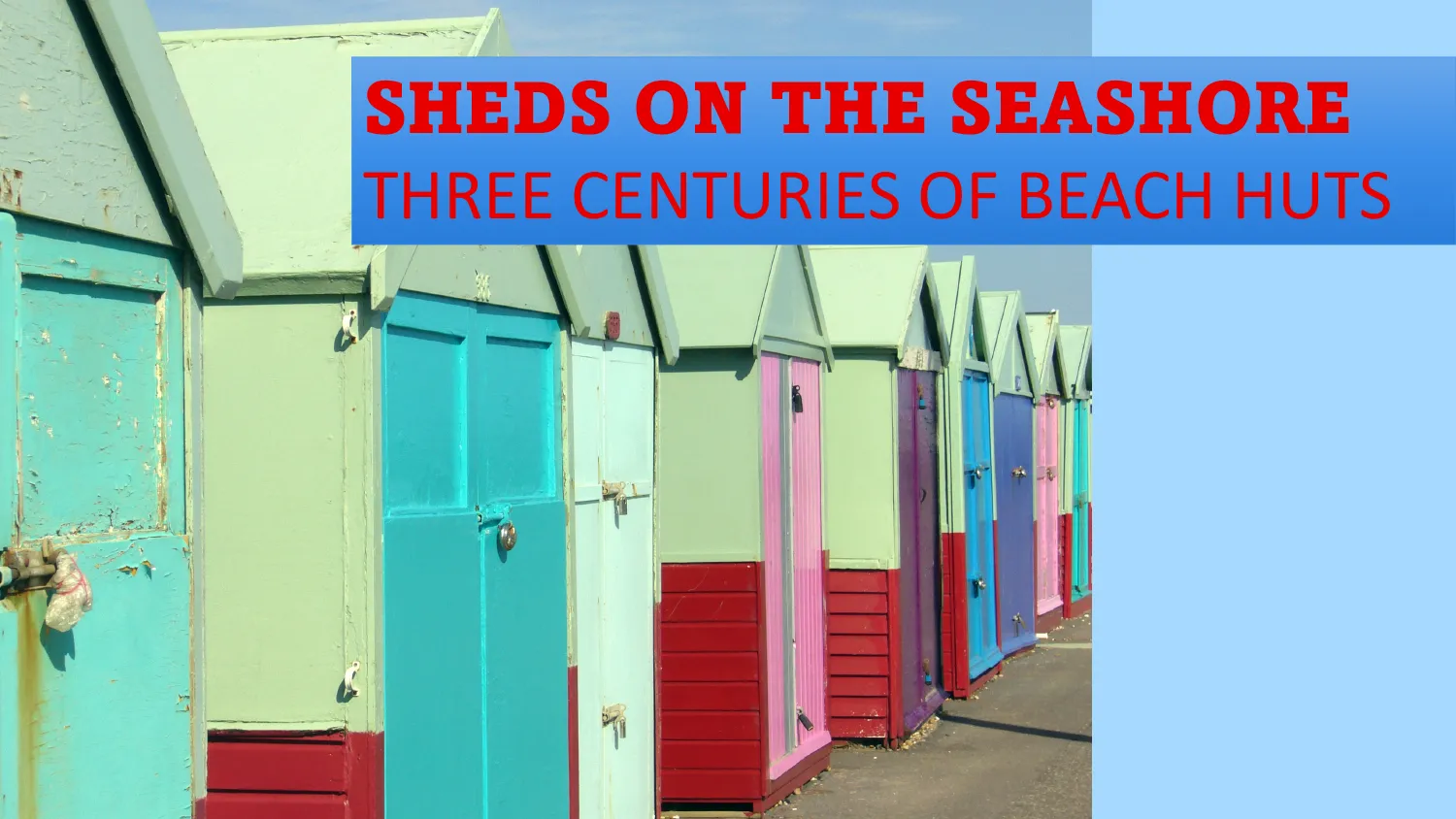
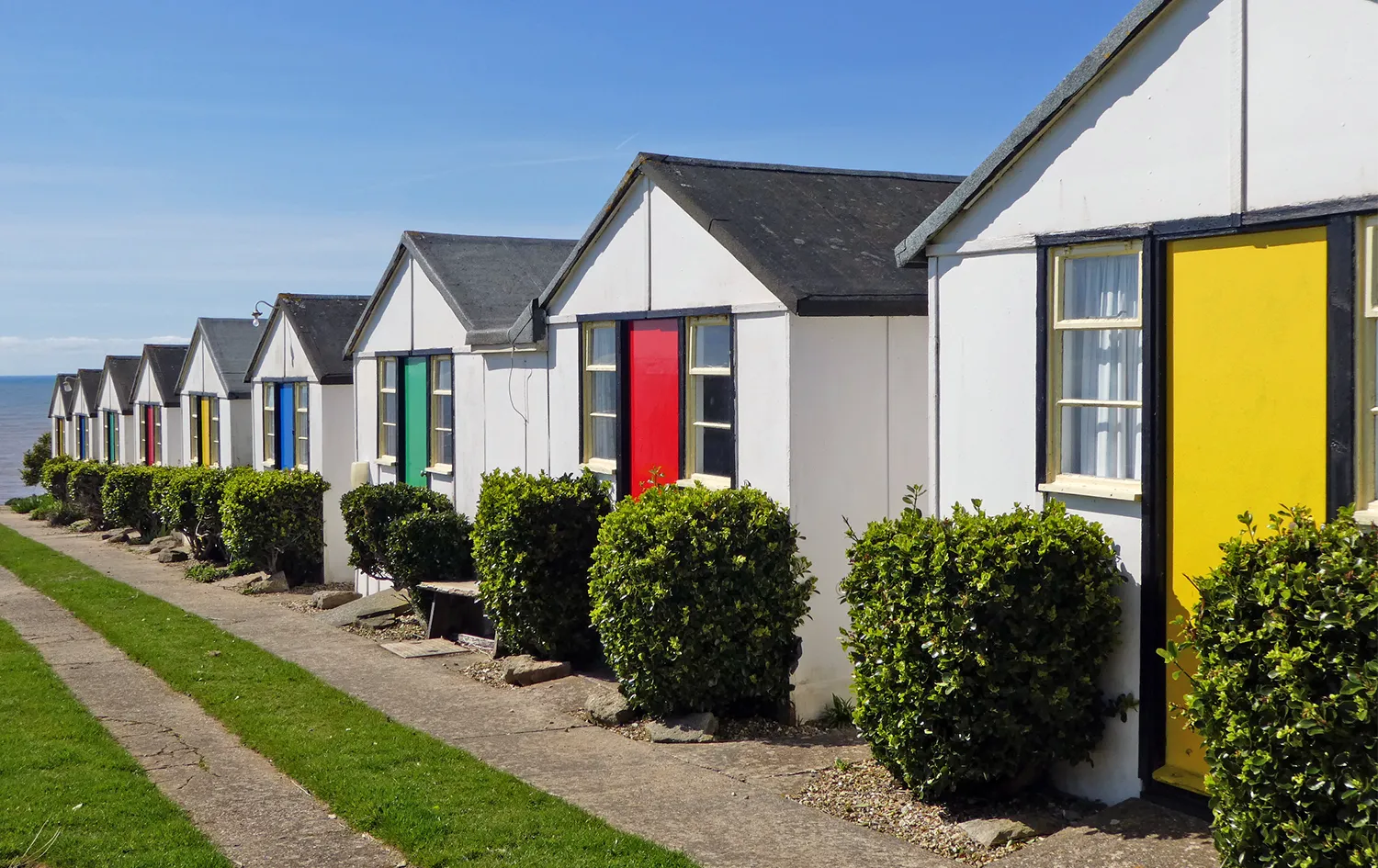
The nation’s beach hut expert reveals how the painted sheds lining our coast have played a crucial role in our seaside history. From wheeled bathing machines invented to help the Georgians take a medicinal dip to a stationary home-from-home beloved by the Edwardians, Kathryn reveals the social changes that have influenced their evolving design. She concludes by looking at the modern rebirth of the beach hut and the inflated prices of the early twenty-first century.
Building-by-the-Sea: A Short History of Seaside Architecture
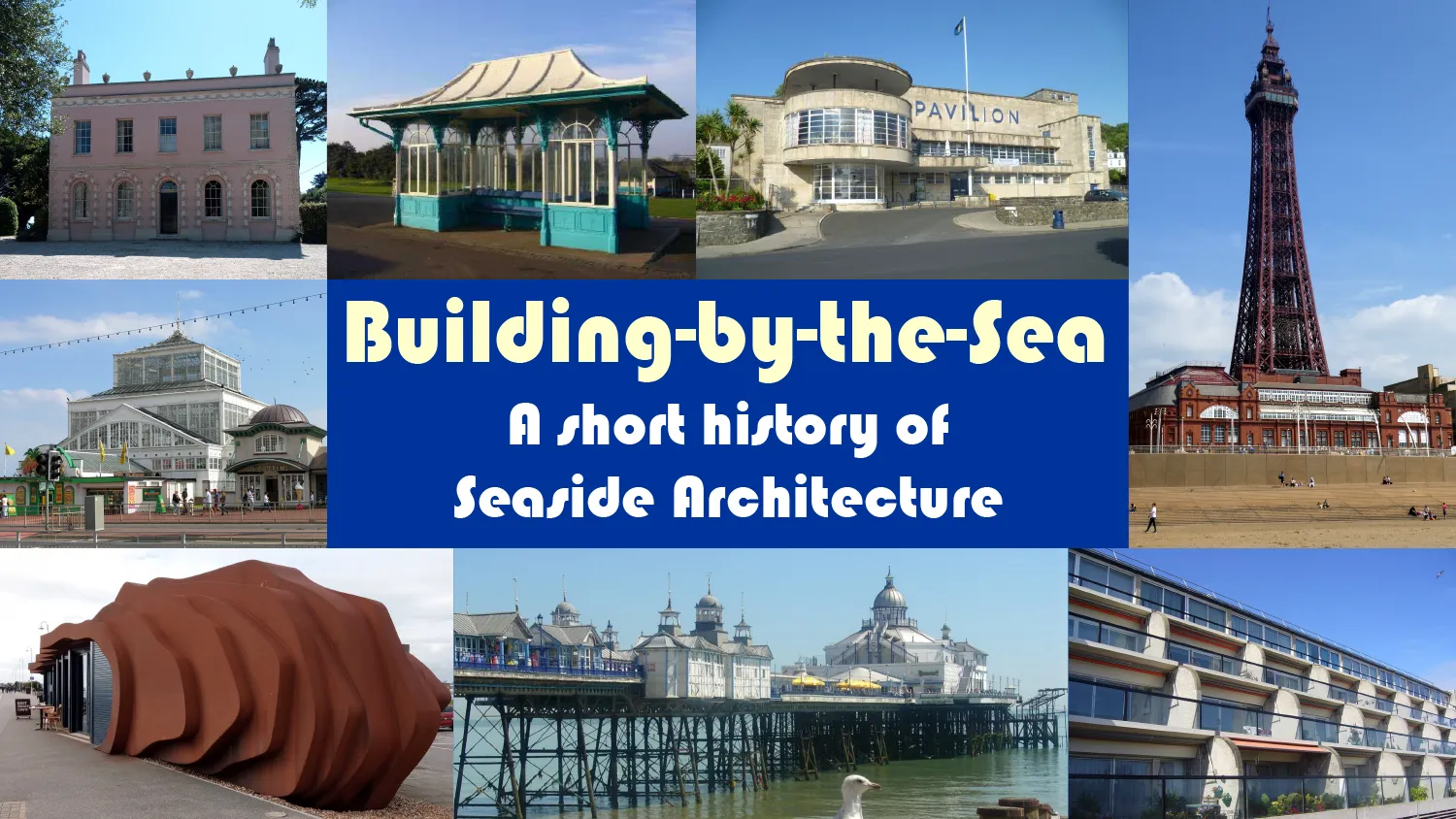
Take a whistle-stop tour through three centuries of seaside architecture, exploring the evolution of new building types and the development of a distinctively playful style dedicated to wellbeing and pleasure. From Georgian bathing machines and assembly rooms, via Victorian winter gardens and pier pavilions, to 1930s lidos, this talk emphasises the importance of novelty as a selling point for the latest attractions, right up to the modern day.
Modernism-on-Sea
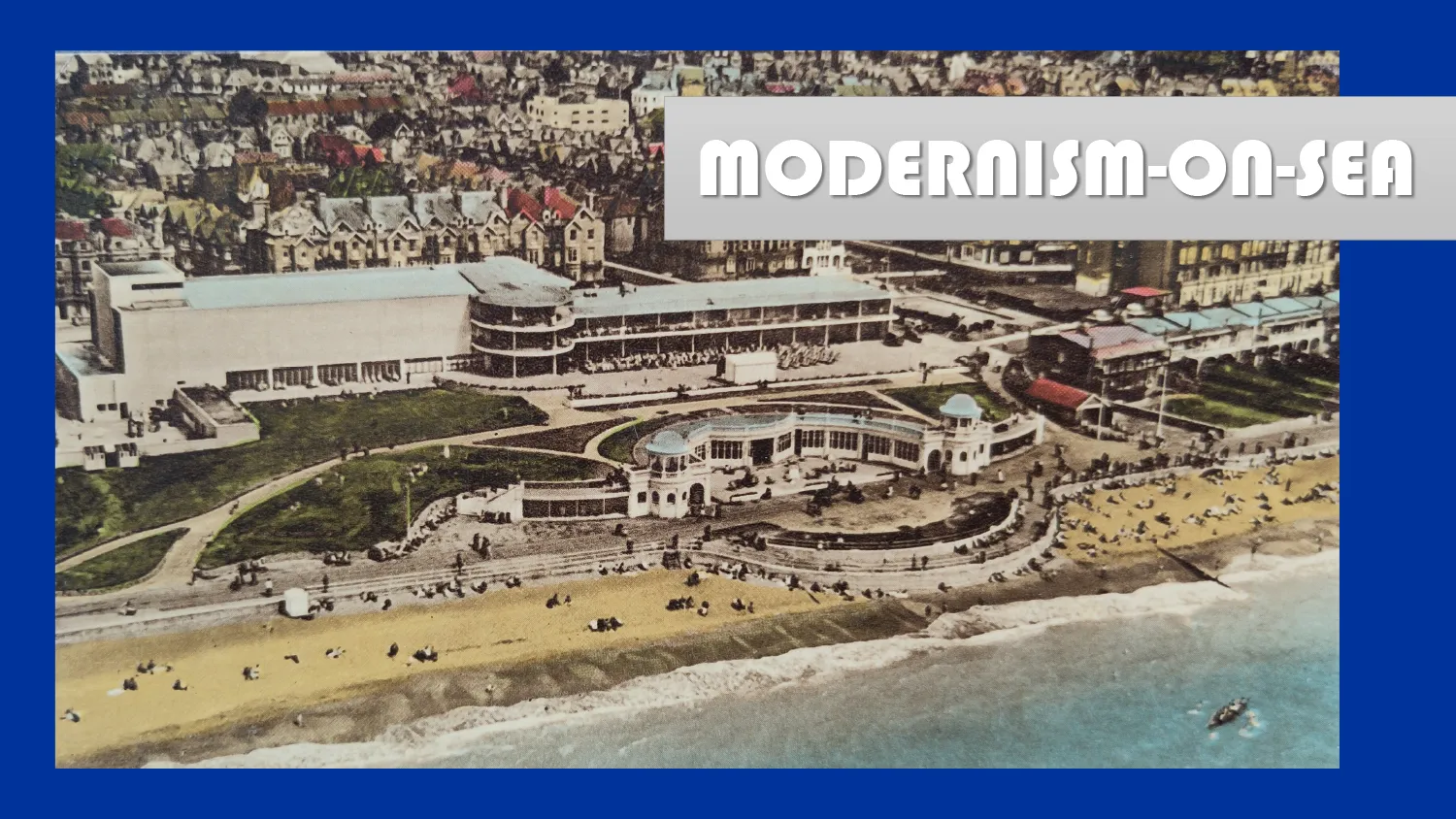
The 1920s and 30s witnessed a new fashion for sunbathing and outdoor exercise alongside the legal right to paid holidays. As the number of Britons travelling to the coast increased, competition between resorts intensified, and vast sums were spent on new lidos, entertainment pavilions, hotels and amusement parks designed to attract holidaymakers. This talk shows how the look of these buildings changed under the influence of Art Deco and Modernism.
Orientalism-on-Sea: Exotic Structures at the British Seaside
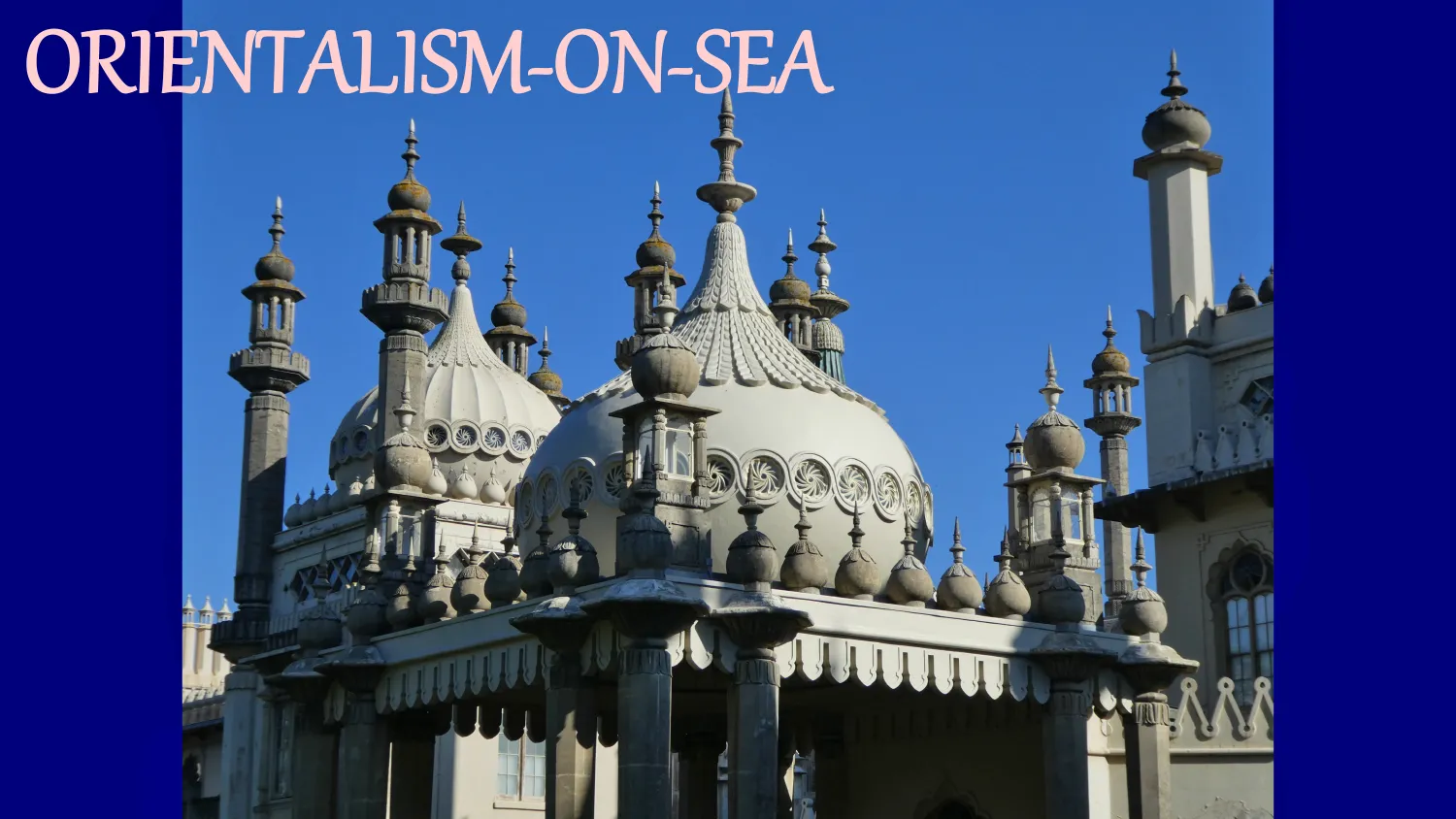
This lecture explores the background of Victorian Orientalism before examining how it became a favourite style for seaside buildings. When the West Pier opened in Brighton in 1866, contemporaries noticed decorative references to the nearby Regency Royal Pavilion, but there were other sources too. From the end of the nineteenth century, holidaymakers at the seaside could escape their workaday lives in buildings inspired by Moorish Spain and the Near East, from pier pavilions at Hastings and Morecambe, to the Kursaal at Bexhill-on-Sea and Frank Matcham’s magnificent Circus at Blackpool Tower. Even shelters were given onion domes to provide the British coast with an extra splash of exoticism.
Eugenius Birch: The King of Piers
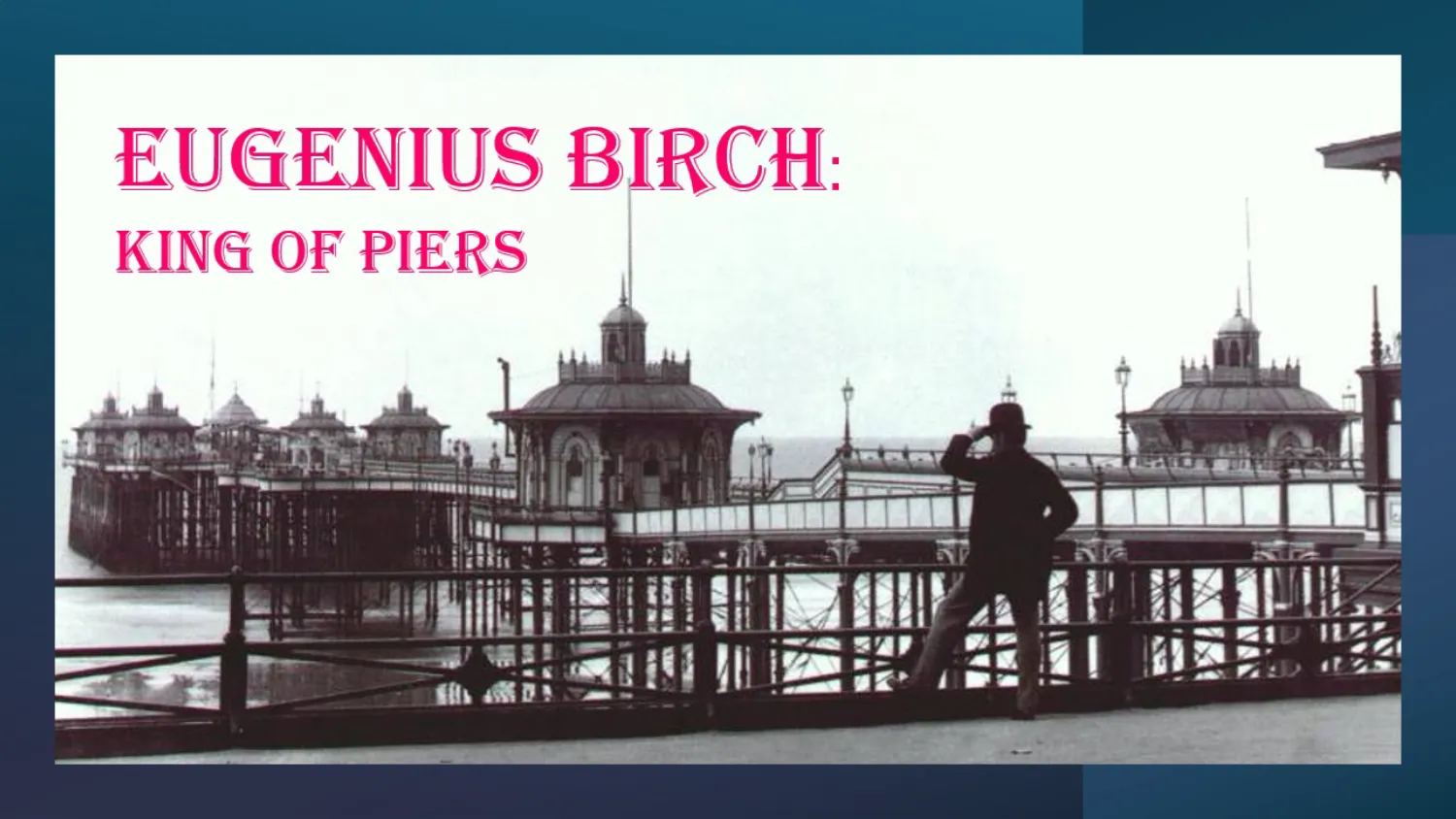
The 1860s and 70s witnessed a mania for pier building around the British coast. Eugenius Birch not only designed more of these than anyone else, but he also pioneered the use of iron and added the structures that turned piers into entertainment destinations. Among his commissions were the West Pier at Brighton, Blackpool North Pier, Birnbeck at Weston-Super-Mare, Eastbourne, Hastings and Bournemouth piers. Birch started out as a railway engineer before specialising in marine engineering, designing sea defences, drainage schemes and even aquaria. Kathryn is currently writing the first book about his life and work.
Walking on Water: The Social History of Britain’s Pleasure Piers
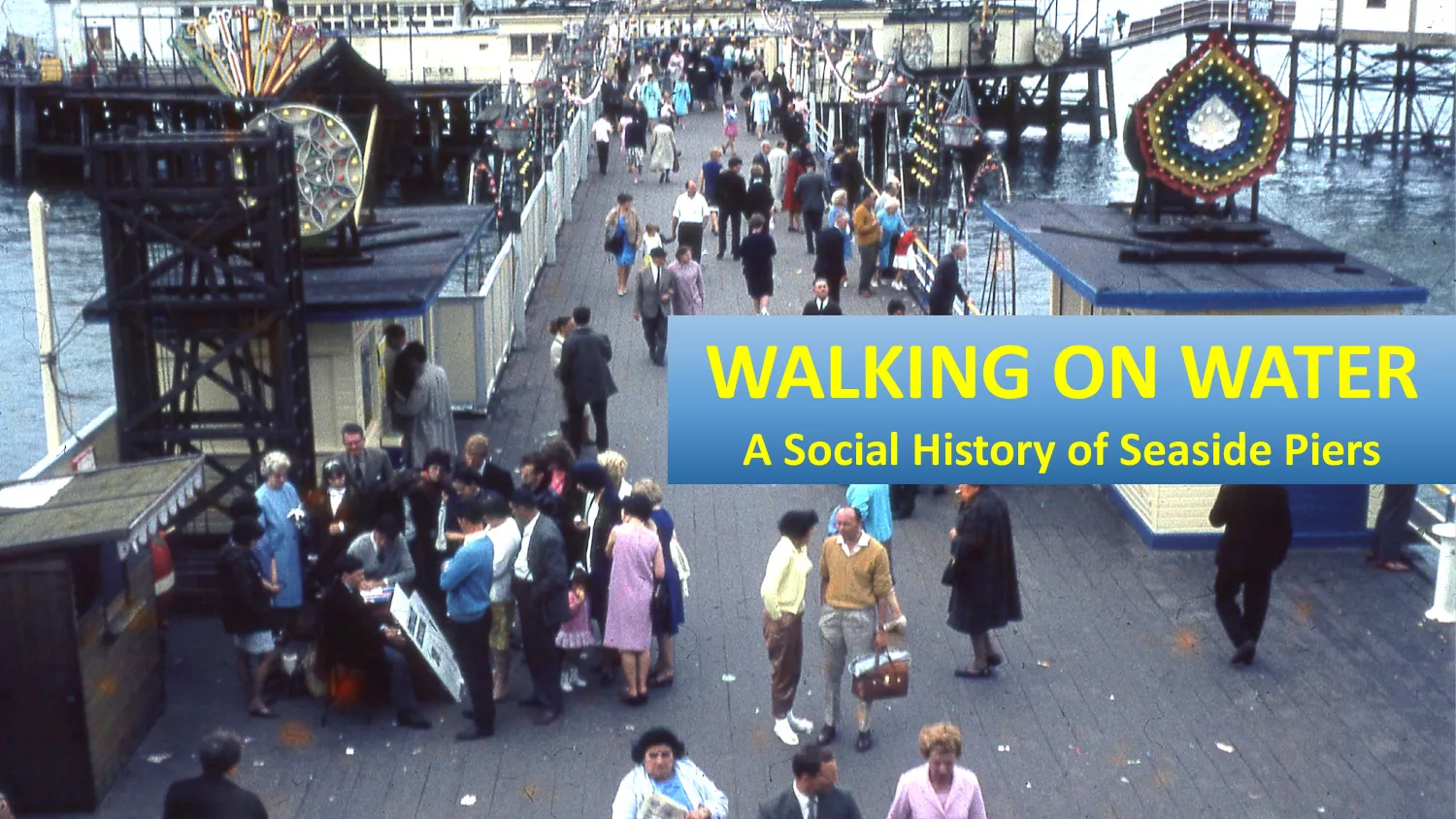
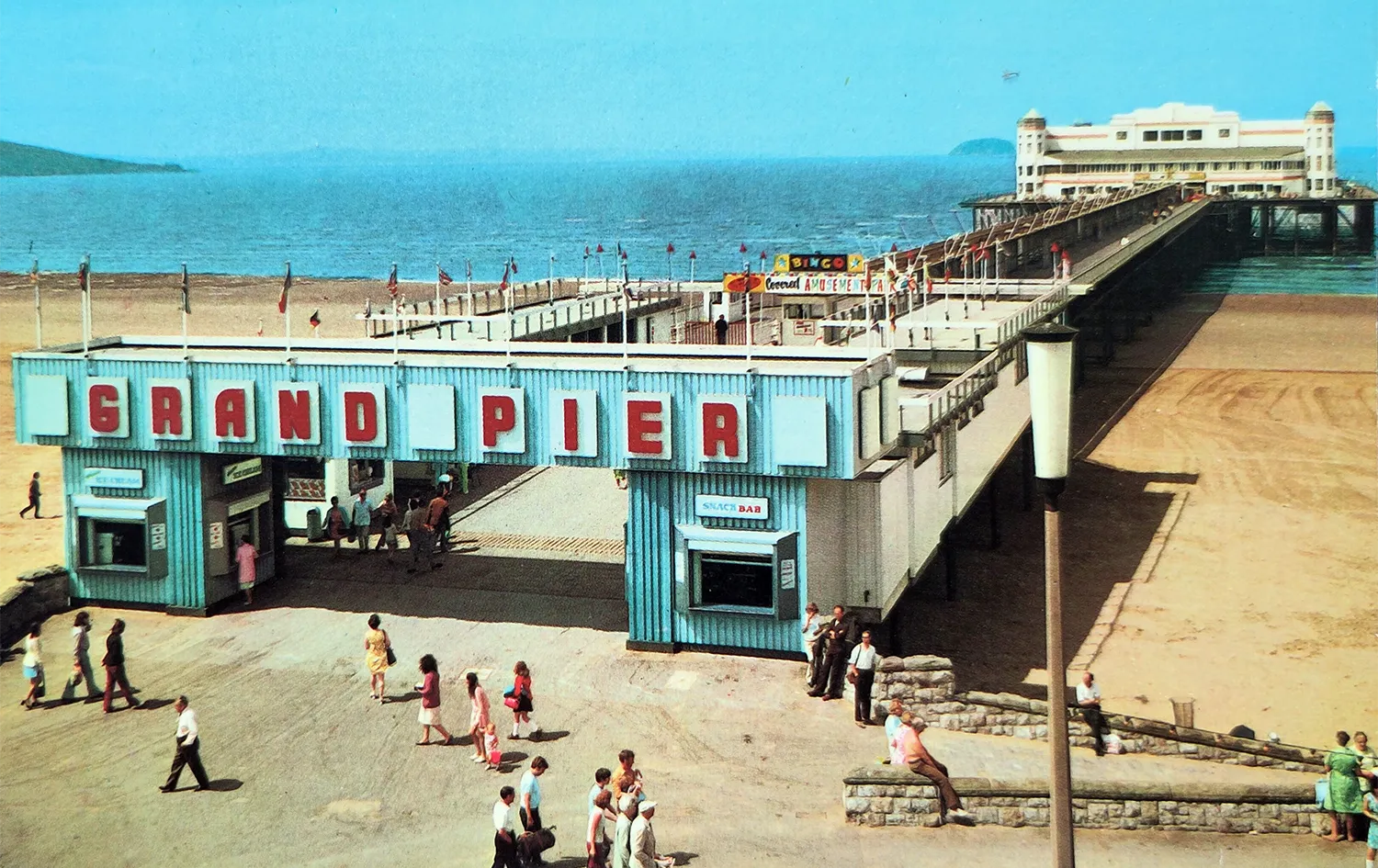
In this lecture, Kathryn examines how seaside piers have been used since the early nineteenth century. Created as an extension of the promenade, piers were also distinct from it, with fees charged to maintain a certain social tone. Throughout the year, they fulfilled different functions for locals and holidaymakers, offering a range of entertainment in often exotic settings, as well as sports including angling, roller skating and swimming. This talk explores above and below the seaside pier, concluding with a look at how threats to their future helped us rediscover our love of these eccentric structures.