




Research & Services
With her experience in research and public speaking, Kathryn is able to work on building history projects, contribute to exhibitions and conferences, and provide consultancy services.
Architectural History
Kathryn has a PhD in Architectural History from the University of Cambridge. After graduating in 2004 she worked as Senior Architectural Advisor to the Victorian Society in London whilst also serving as a conference secretary for The Society of Architectural Historians of Great Britain. Her doctoral thesis Awakening a Higher Ambition: The Influence of Travel upon the Early Career of Owen Jones' gave its name to the exhibition celebrating the bicentenary of Jones’s birth in 2009, held at the V&A Museum.
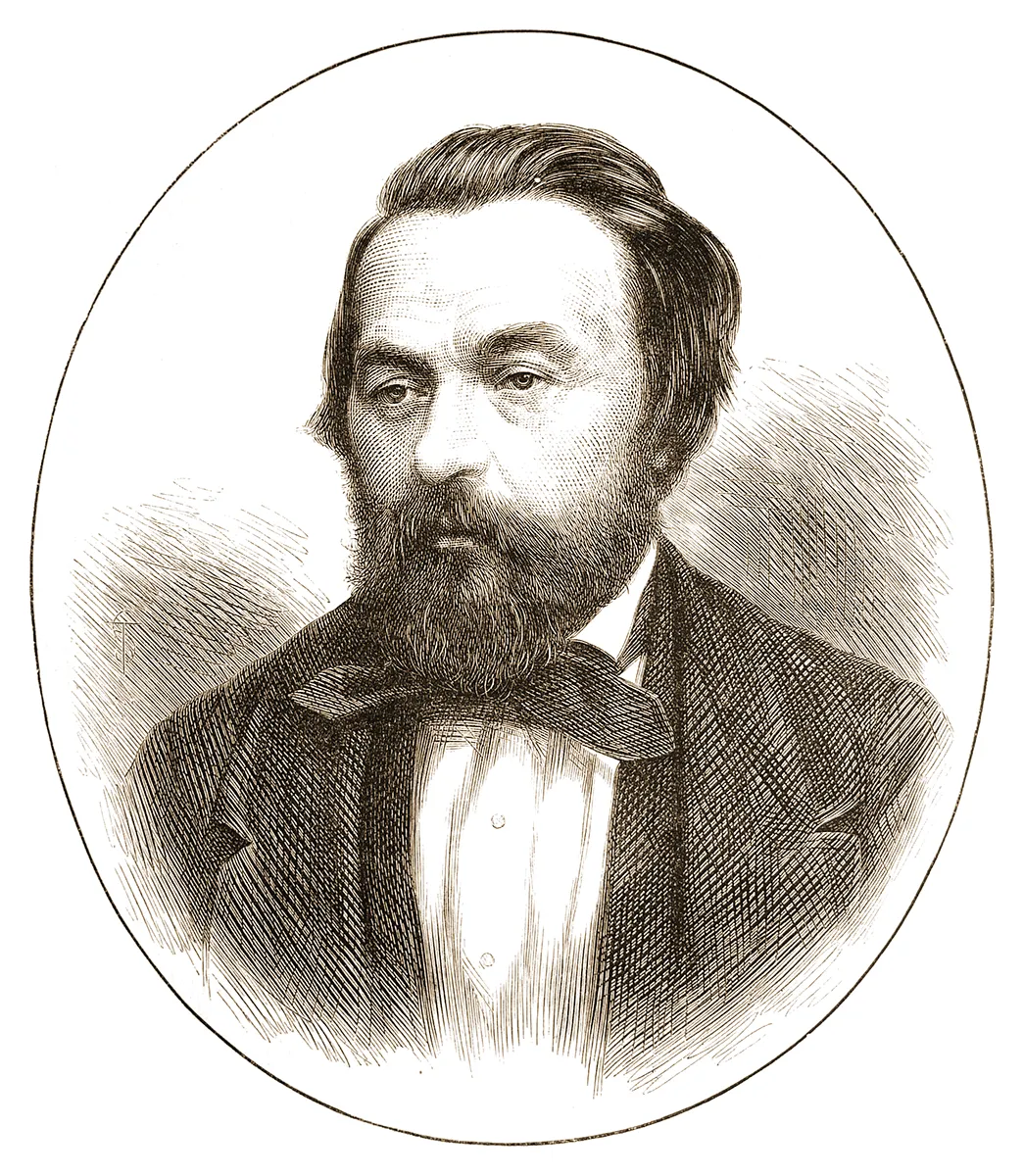
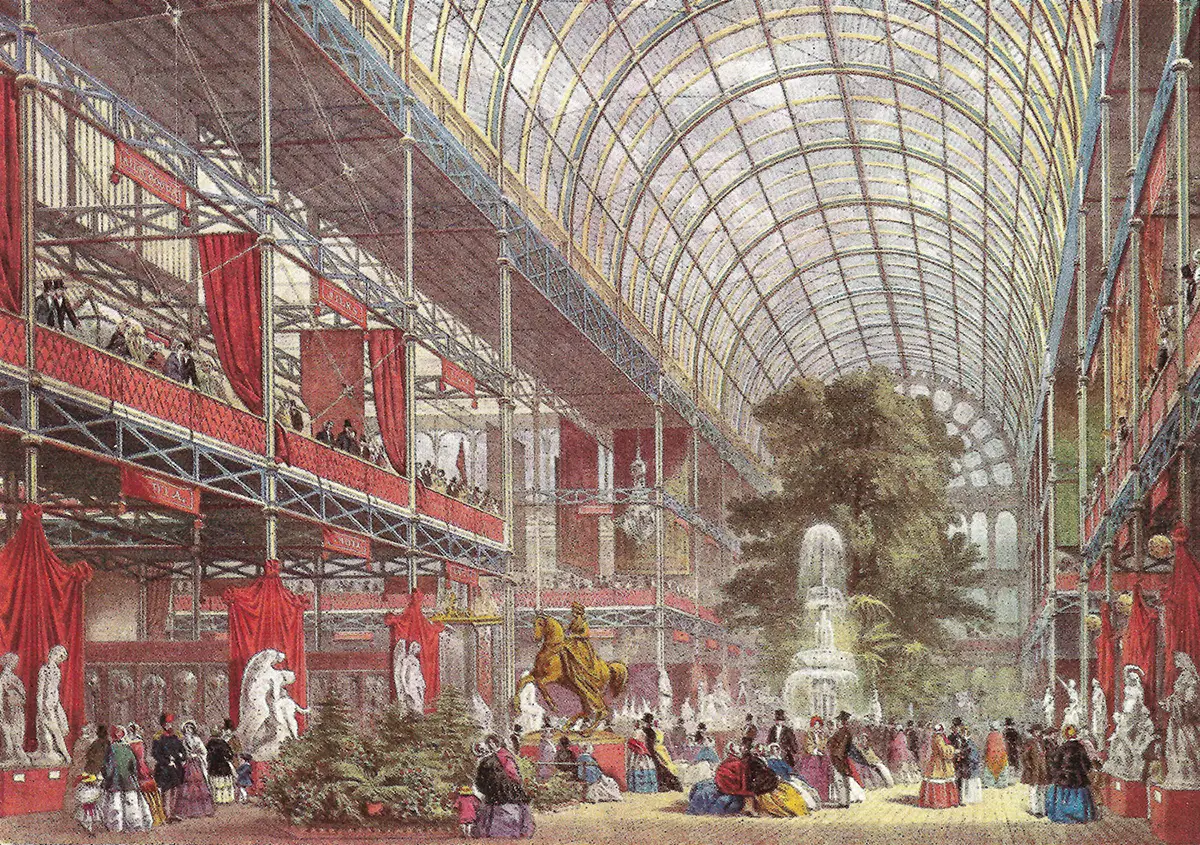
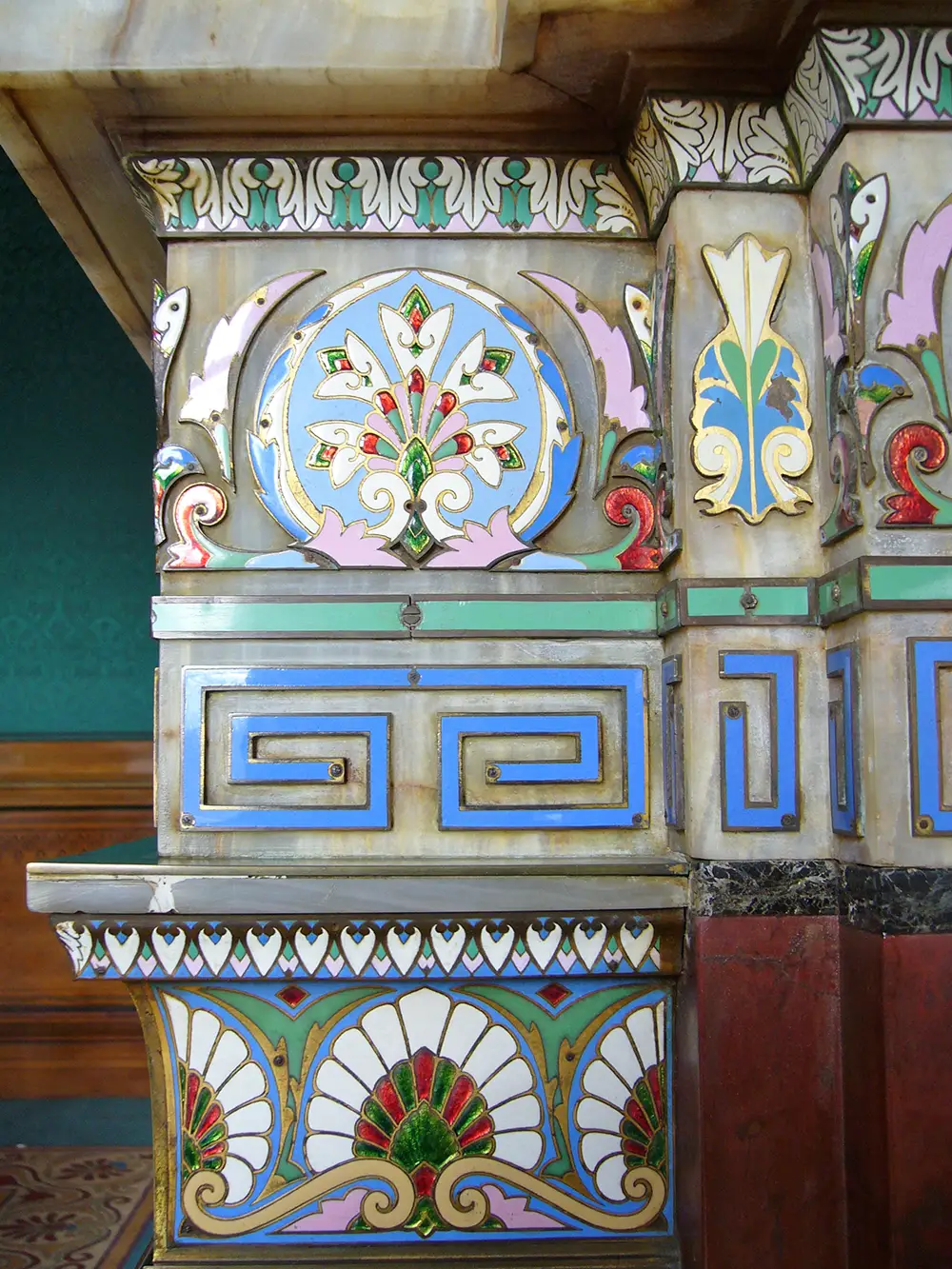
A major, yet underappreciated, Victorian architect and designer, Owen Jones (1809–74) applied his brand of colourful, geometric flat pattern to a huge range of media, including furniture, carpets, books, tiles, playing cards, wallpaper and even biscuit wrappers. Though he considered himself an architect above all, today Jones is best known as the author of the design classic The Grammar of Ornament, continuously in print since 1856. Jones rose to fame when he designed the interior paint scheme for Joseph Paxton’s 1851 Great Exhibition building. He was then made Director of Decorations at the Crystal Palace when it moved to Sydenham, South London, in 1854.
Prior to this, Owen Jones established his reputation as a pioneering exponent of Islamic design, having made on-the-spot studies in Cairo, Istanbul and at the Alhambra in Granada. In 1834, he was lucky enough to live for six months in the Moorish palace and, on his return home to London, published Plans, Elevations, Sections and Details of the Alhambra, which has yet to be bettered as a measured survey of the fourteenth-century monument. The international importance of Jones’s work has led to Kathryn being invited to speak at exhibition-linked conferences at the Alhambra itself, in conjunction with the University of Granada, as well as the Musée des Beaux Arts in Lyon and SOAS University of London.
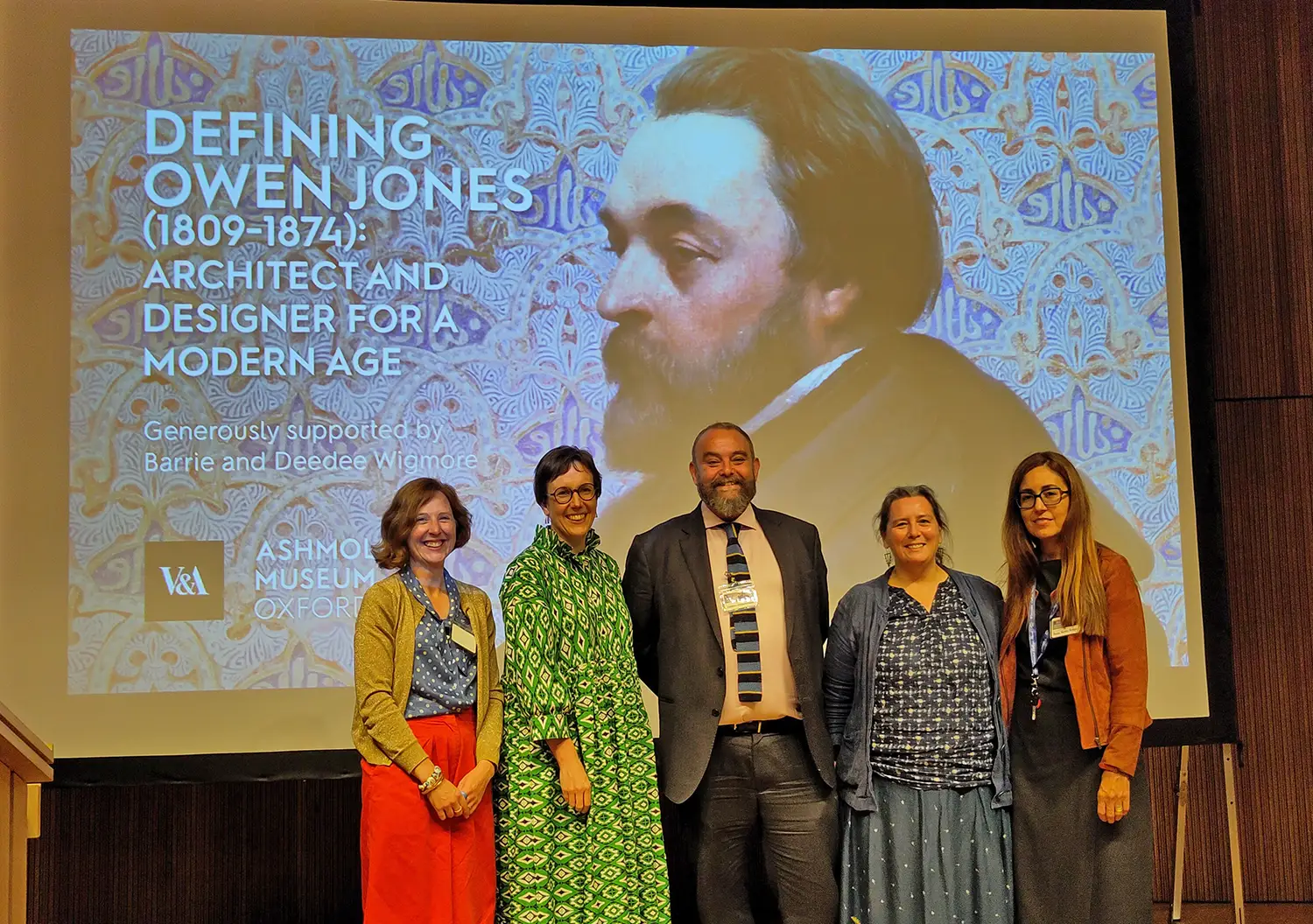
In 2024, Kathryn presented new research about Jones’s 1847 decorative scheme for the Dorset church of St Bartholomew’s, Sutton Waldron, at a major two-day conference Defining Owen Jones’ convened by the Ashmolean Museum, Oxford. Based on this, she was able to support the parish in its National Heritage Lottery Fund grant bid to conserve the original paintwork. The church now stands as one of the best surviving examples of Jones’s work.
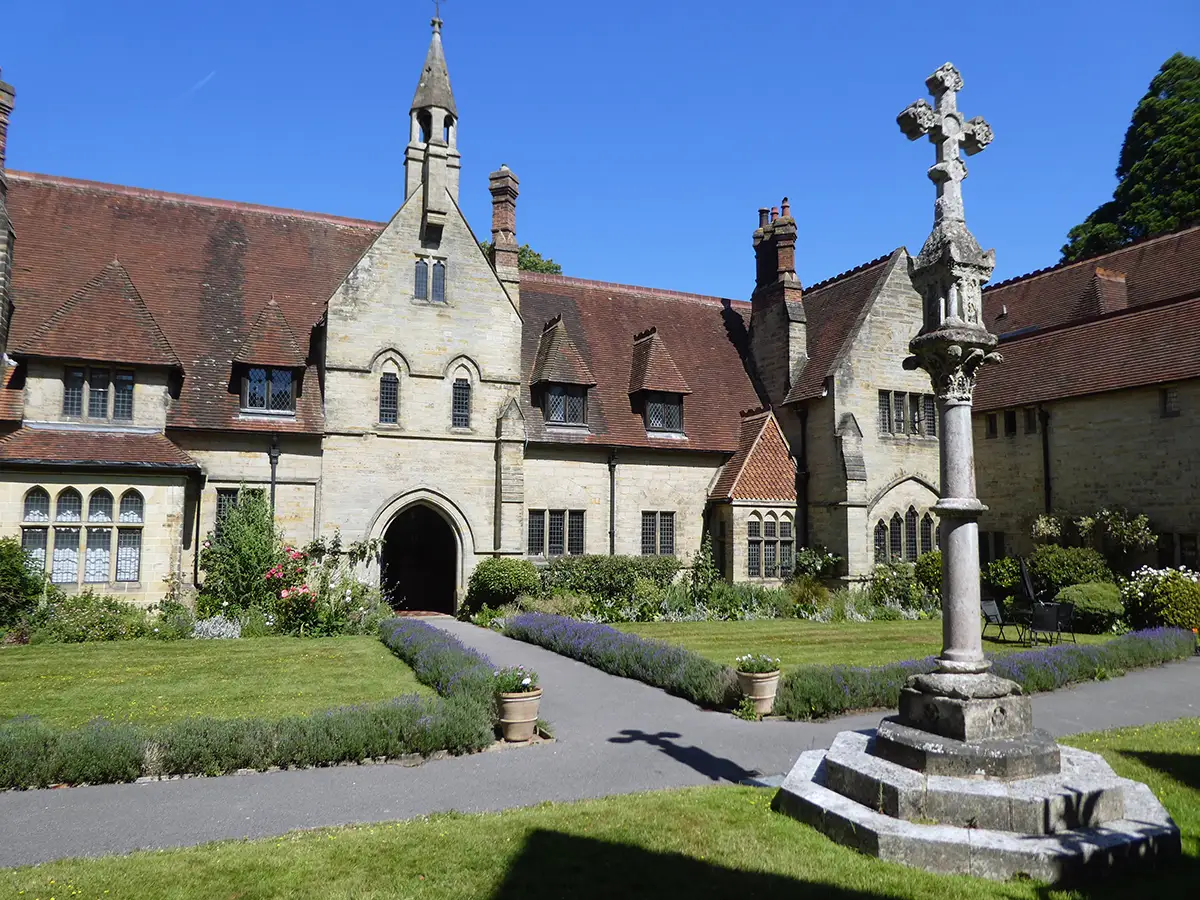
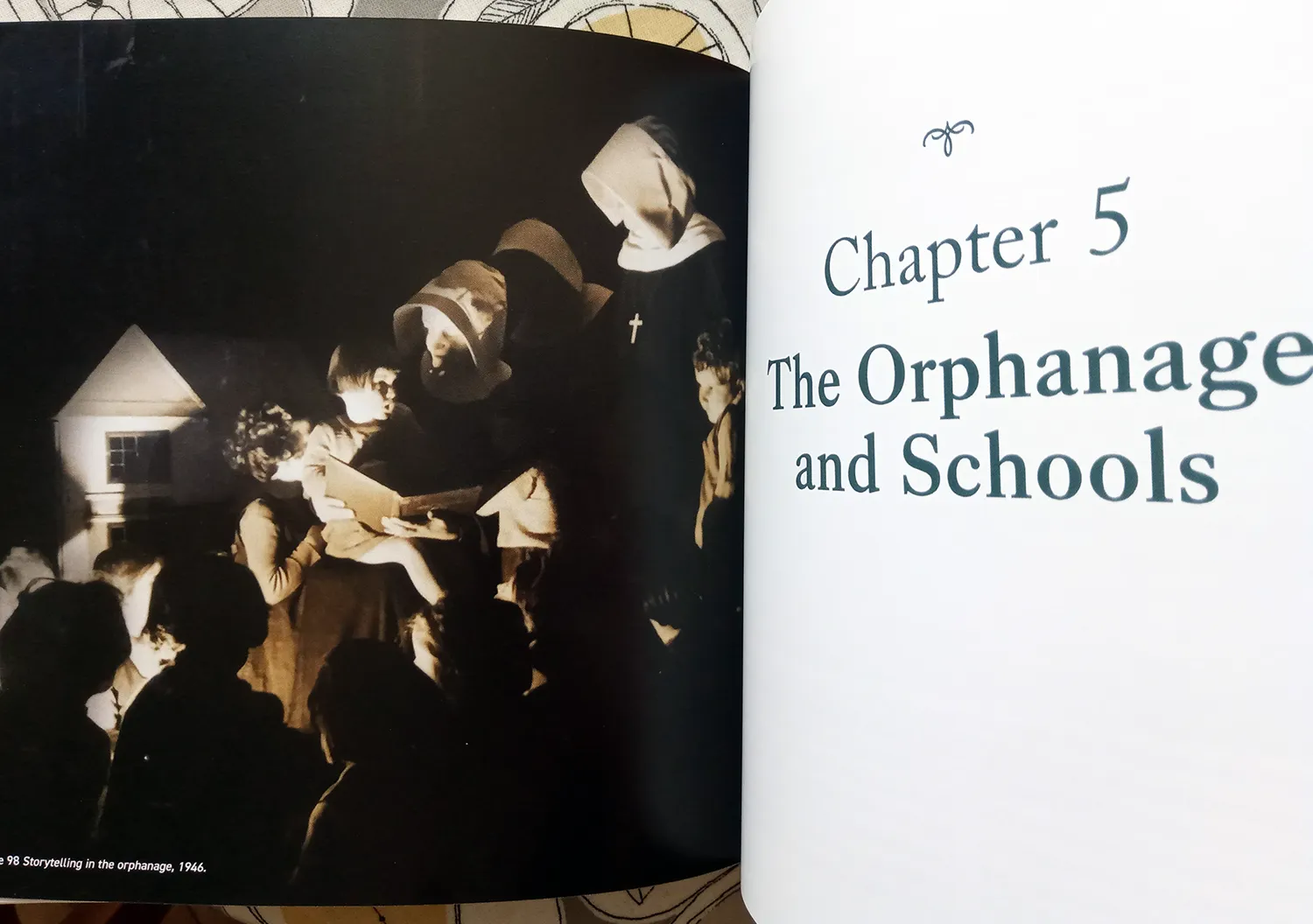
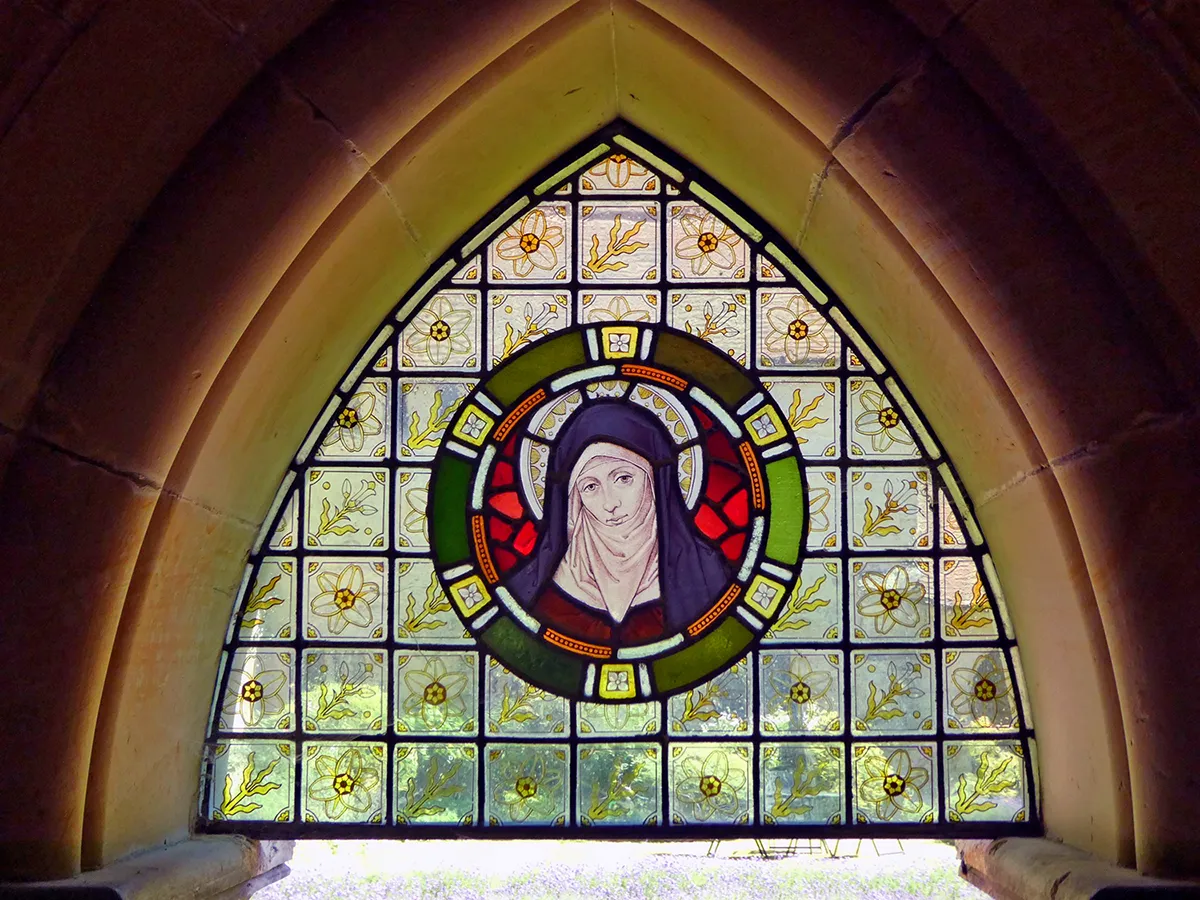
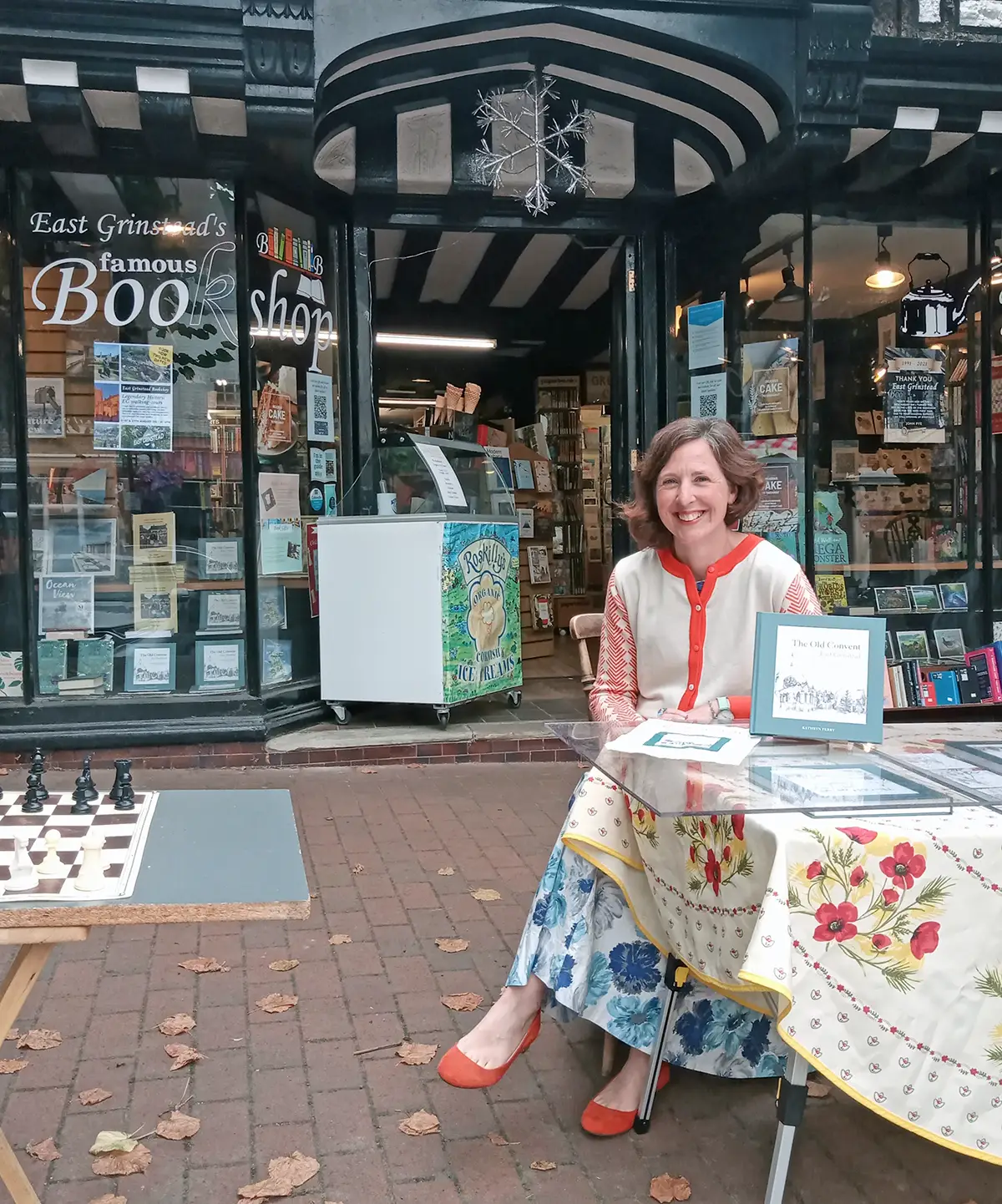
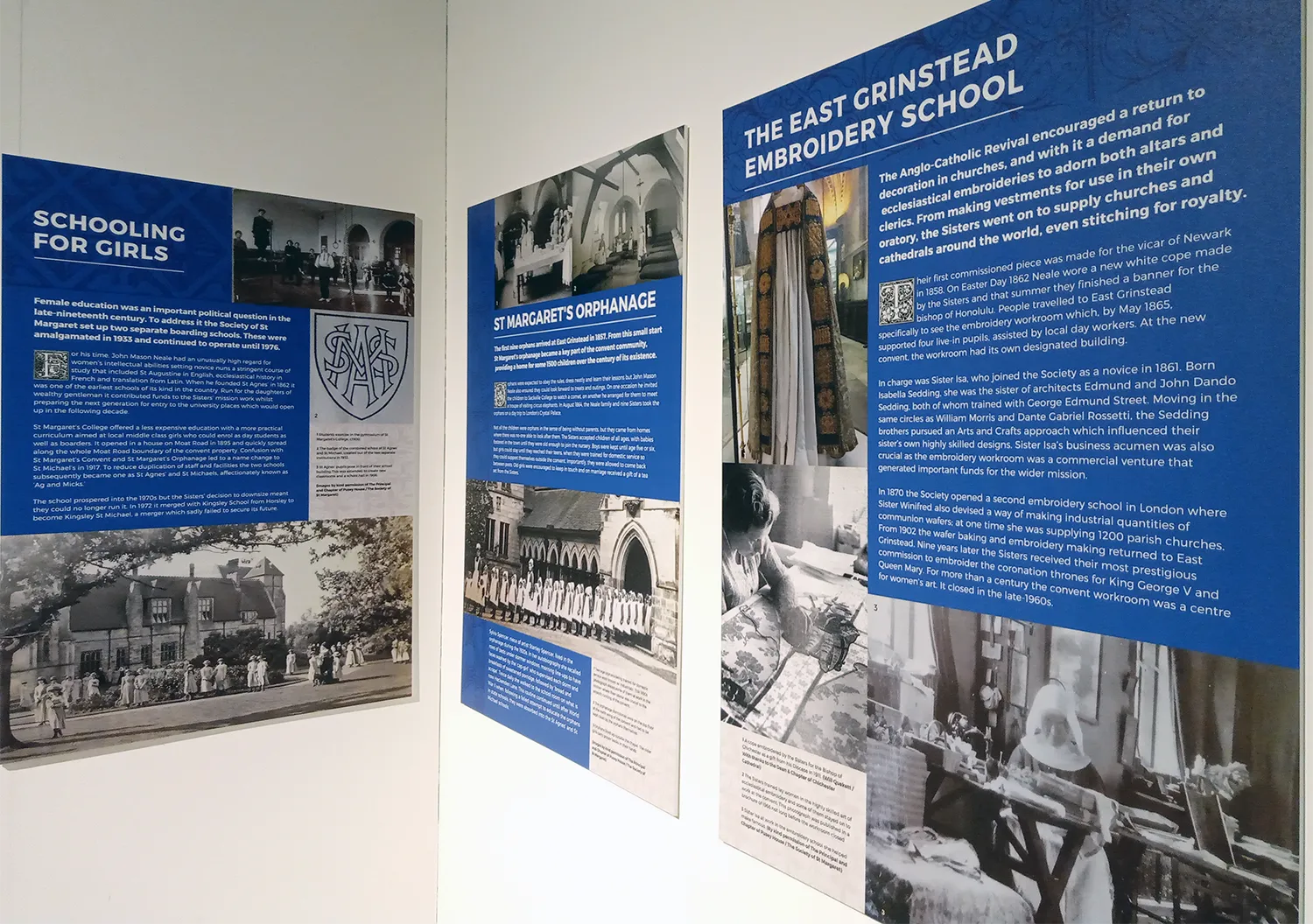
Kathryn’s 2021 book on the Old Convent at East Grinstead developed as a result of her being employed to write a Statement of Significance for a prefabricated iron school room to the rear of the first St Margaret’s Home. In 1870, the Anglican Sisterhood of St Margaret moved into a new purpose-built convent designed by leading Gothic Revival architect George Edmund Street. This Grade I listed complex was sold for conversion in 1976, and in 2020, the residents commissioned Kathryn to write a book to recognise its 150-year history. She undertook this with the blessing of the Society of St Margaret and through talks, and by curating, Kathryn has been able to demonstrate the rich contribution made by this community of nuns on a local and international level.
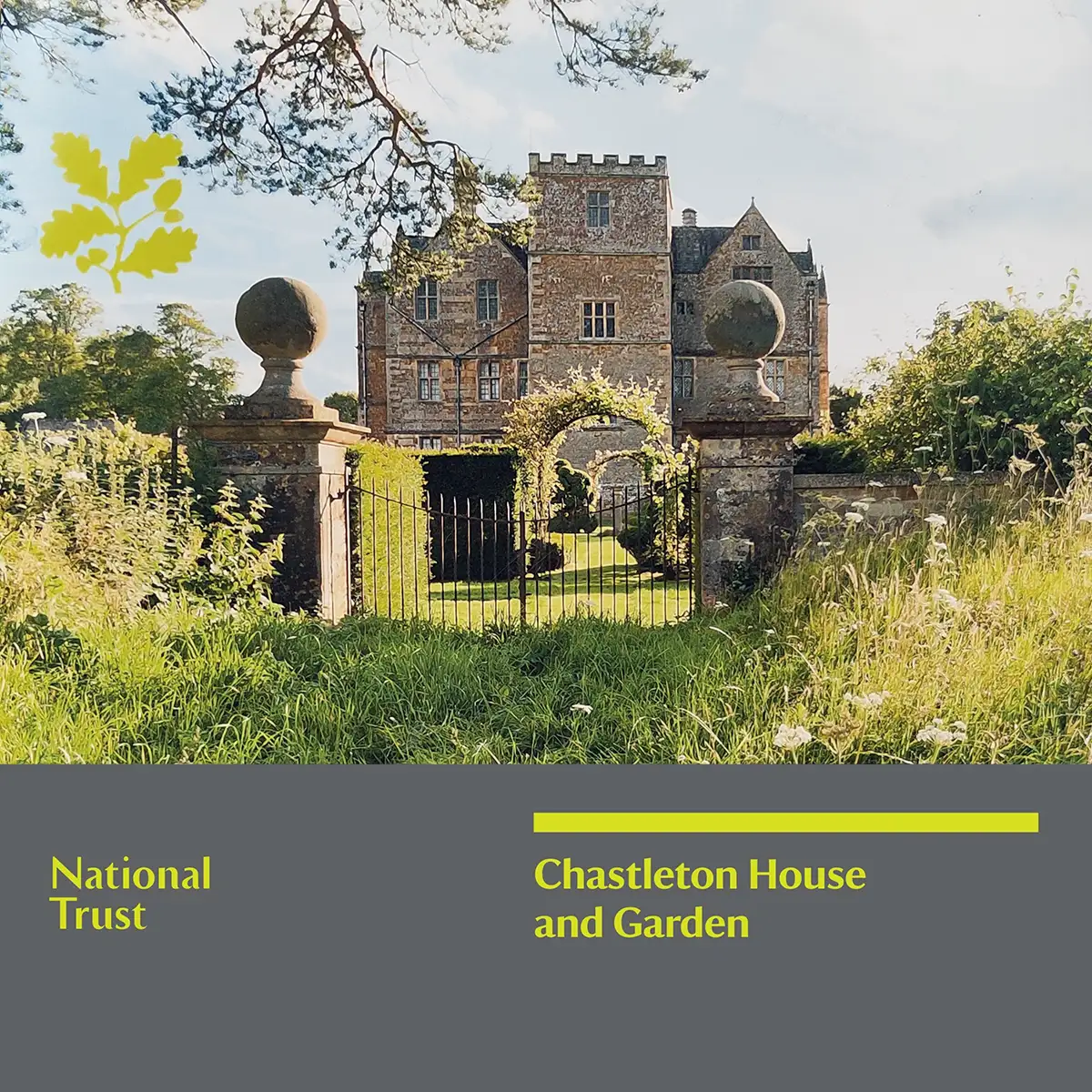
Although she specialises in nineteenth and twentieth-century architectural history, Kathryn is fascinated by other periods and has written guidebooks for the National Trust properties at Lacock in Wiltshire and Chastleton House in the Cotswolds.
Seaside Architecture & Heritage
In the field of British seaside architecture and heritage, Kathryn is recognised as one of the country’s leading experts. In 2014, she was employed as a consultant to Royal Mail on the special stamp issue dedicated to seaside architecture. In 2016, she was commissioned by Butlin’s to write their official history as part of celebrations to mark the holiday company’s 80th anniversary. The book, which draws on the extensive Butlin’s archive, was published by Viking with proceeds going to Great Ormond Street Hospital, a charity supported by founder Sir Billy Butlin.
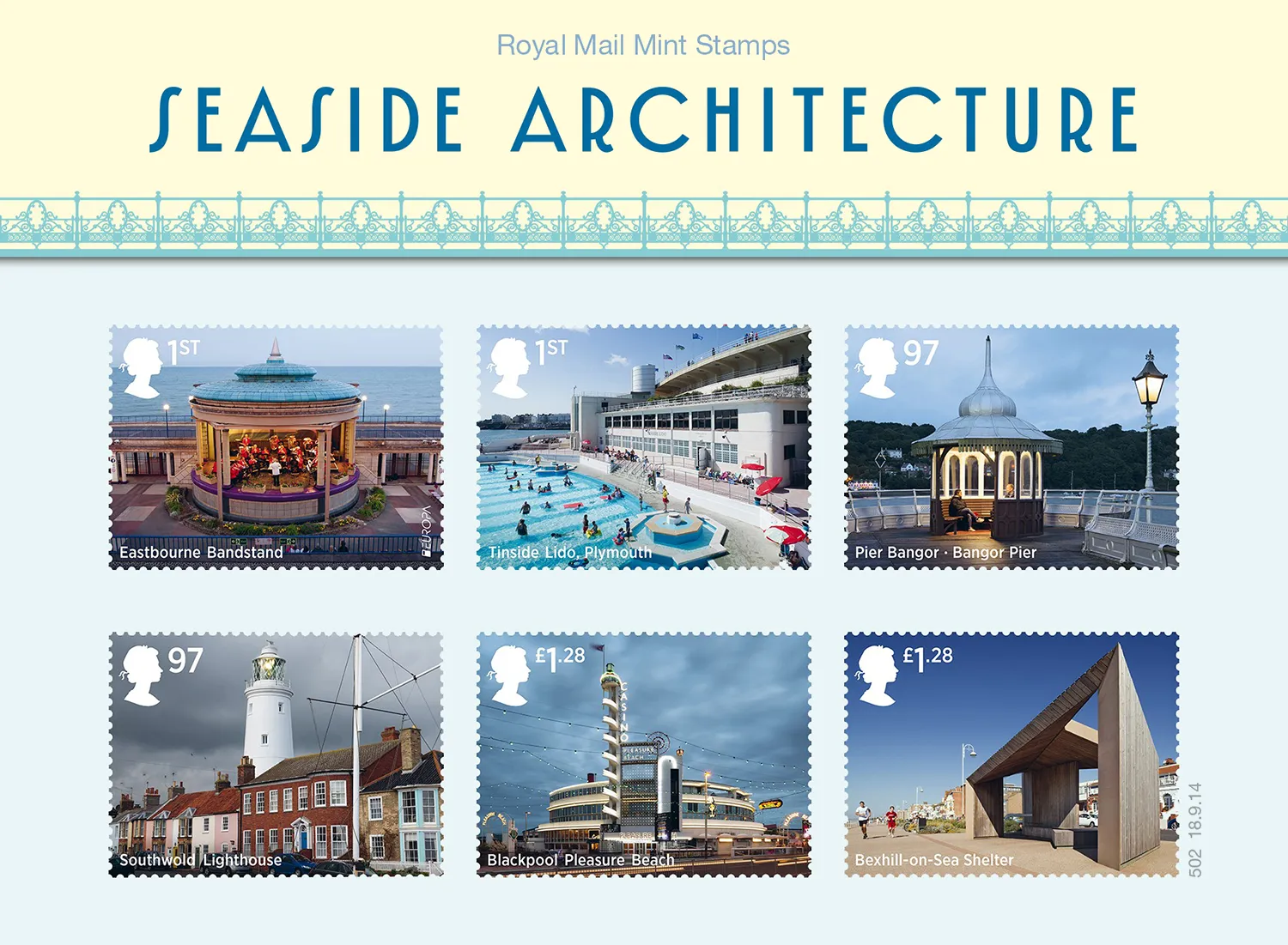
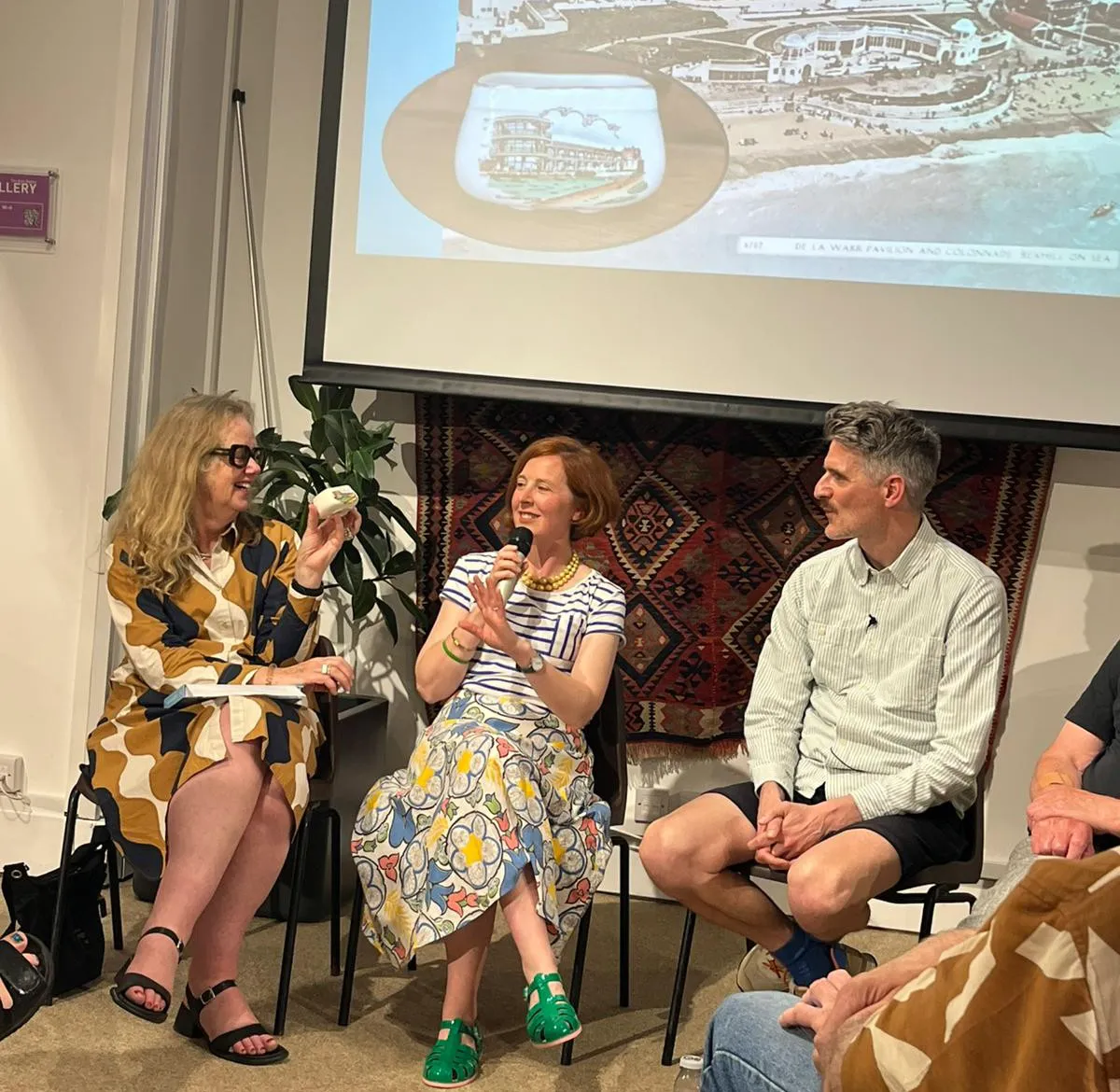
Kathryn has recently brought her knowledge of the interwar seaside to anniversary events for several key Sussex buildings. At the Brighton Dome, she gave a talk as part of the 2025 Heritage Open Days, exactly 90 years after the building reopened following its Art Deco refurbishment. In 2026, she addressed international delegates from the Mendelsohn Initiative at the De la Warr Pavilion, Bexhill, in the iconic Modernist building’s 90th year, on the birthday of its German architect, Erich Mendelsohn. She also spoke as part of the centenary celebrations for Worthing Pavilion Theatre, another building that featured prominently in her book, Twentieth Century Seaside Architecture.
As well as speaking at literary festivals, Kathryn has given talks as part of exhibition programming in places as far apart as Alnwick in Northumberland and West Bay in Dorset. In 2025, she joined a discussion panel on swimming and swimming pools that was part of the events programme linked to Splash! A Century of Swimming and Style at the Design Museum. She has also chaired online events about lidos for the Art Deco Society UK Dive In! (Part One).
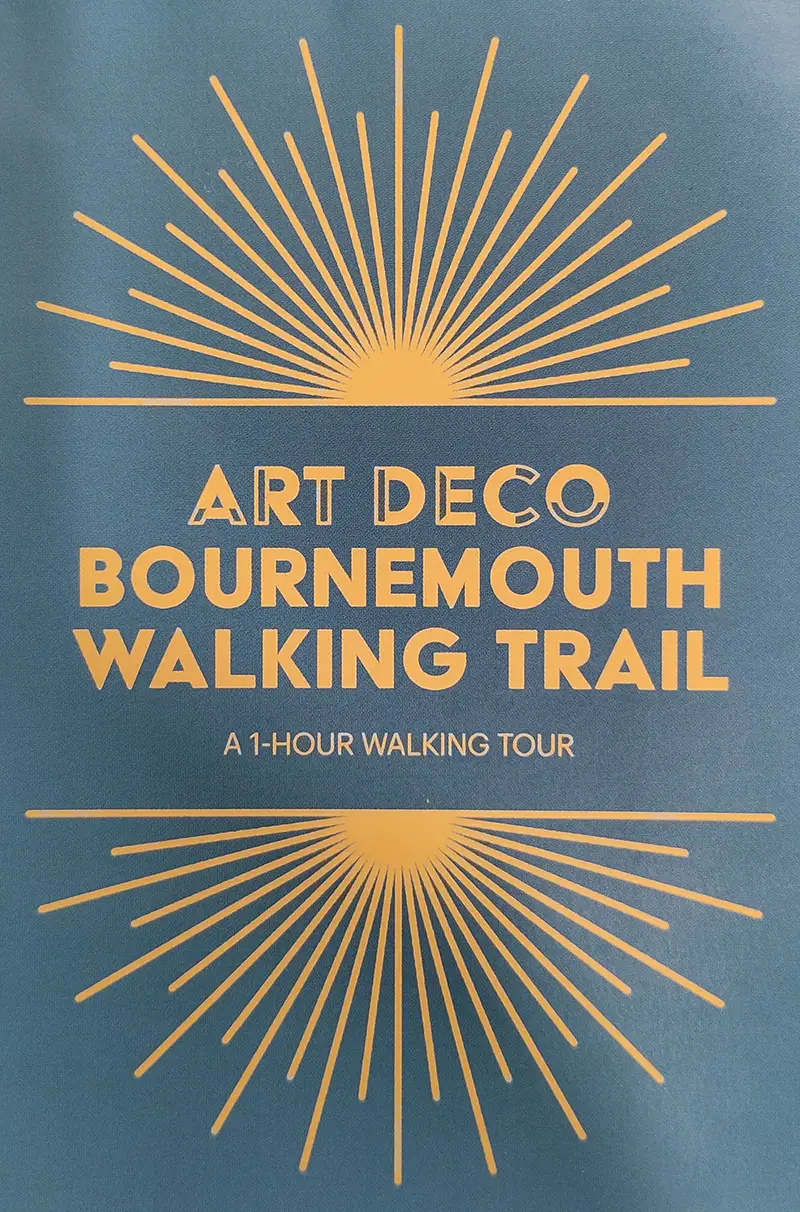
Kathryn’s other work with seaside communities includes taking part in the 2026 Southend Investment Summit, convened by Bayo Alaba MP, where she spoke about the potential for seaside heritage to drive regeneration. She also contributed to discussions about the future of Great Yarmouth Winter Gardens when the National Heritage Lottery Fund bid, which has now been granted, was being sought. In 2025, she co-wrote and led an Art Deco Walking Tour of Bournemouth, funded by Research England: Regional Innovation Fund and Bournemouth University, Discovering seaside heritage: Bournemouth Art Deco Walking Tour.
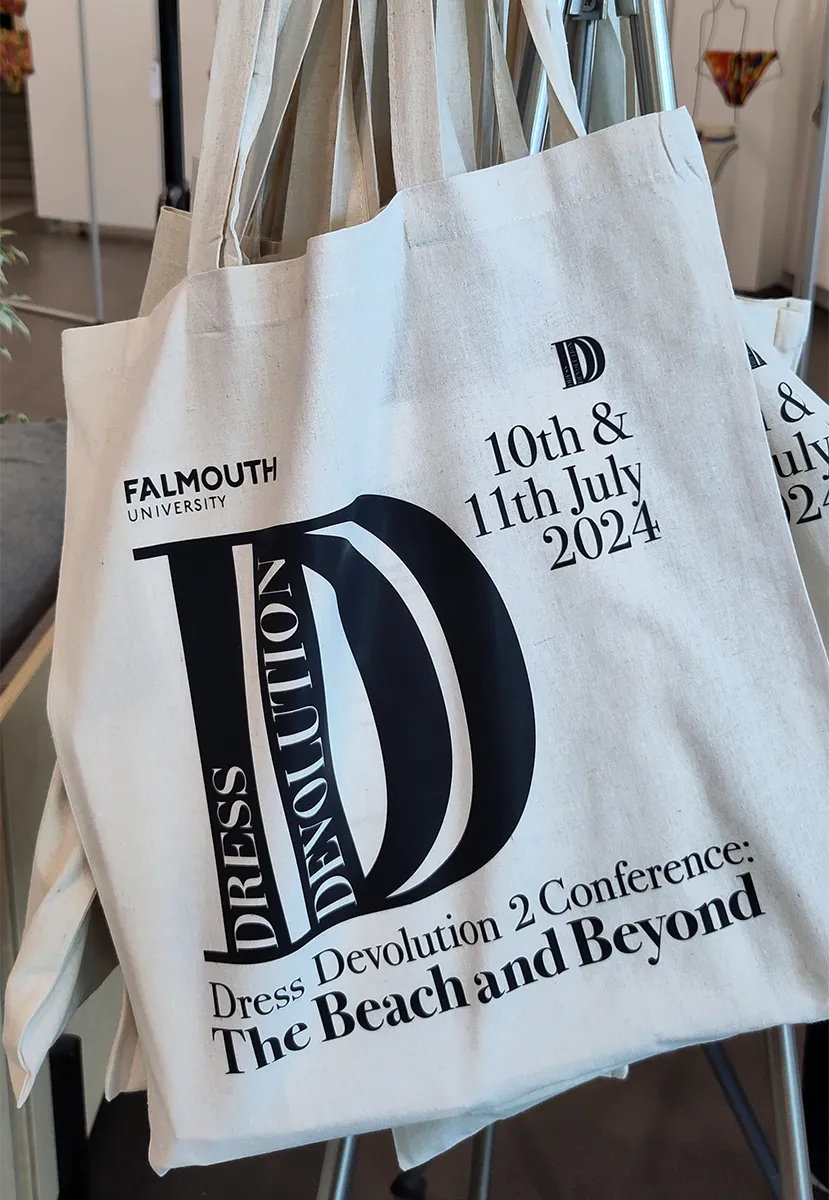
In 2024 Kathryn was thrilled to be able to combine her love of vintage fashion with her expertise in seaside history when she was invited to be a keynote speaker at Dress Devolution 2: The Beach and Beyond Dress, an international conference supported by the Fashion and Textiles Institute at Falmouth University.
If you are interested in working with Kathryn, please get in touch.


